Why Your Tech Stack is the True Competitive Edge for Freight Brokerage
In the modern truckload brokerage landscape, the old adage "You're only as good as your last load" has a digital corollary: "You're only as good as your tech stack." While the human elements of negotiation, relationship-building, and problem-solving remain essential, the underlying technology infrastructure—the TMS, the AI tools, the data platforms—is what truly determines a broker's profitability, scalability, and long-term survival.
Today, a fragmented, manual tech stack is not just inefficient; it's an existential threat. Here is how your technology can make or break your brokerage in a hyper-competitive market.
1. The Survival Mandate: Efficiency and Margin Protection
In a tight-margin market, speed and cost control are paramount. Old-school brokers relying on spreadsheets, phone calls, and manual data entry are literally bleeding money and time.
- The Backbone: A Modern TMS: A robust, cloud-based Transportation Management System (TMS) is the non-negotiable foundation. It centralizes all operations—from order entry and load building to invoicing and documentation—eliminating the data silos that create manual error and administrative churn.
- The AI-Driven Rate Advantage: The difference between a profitable load and a break-even one is often measured in cents. Advanced tech, powered by AI and predictive analytics, is essential for dynamic pricing.
- Instant Quoting: AI can instantly generate competitive and accurate quotes by analyzing historical lane data, real-time market trends, and carrier availability, slashing quote times from hours to seconds.
- Margin Protection: These systems help brokers set floor and ceiling prices, ensuring they win the bid while protecting their already-compressed margins.
- Scale Without the Headcount: Automation of repetitive tasks (like document processing, status updates, and invoicing) allows a brokerage to handle significantly higher freight volume without a corresponding increase in overhead. This is the definition of scaling smarter, not just bigger.
2. The Relationship Engine: Service and Communication
In the human-centric business of freight, brokers must use technology to free up their people to focus on the human element. The tech stack enhances, rather than replaces, the broker-carrier and broker-shipper relationship.
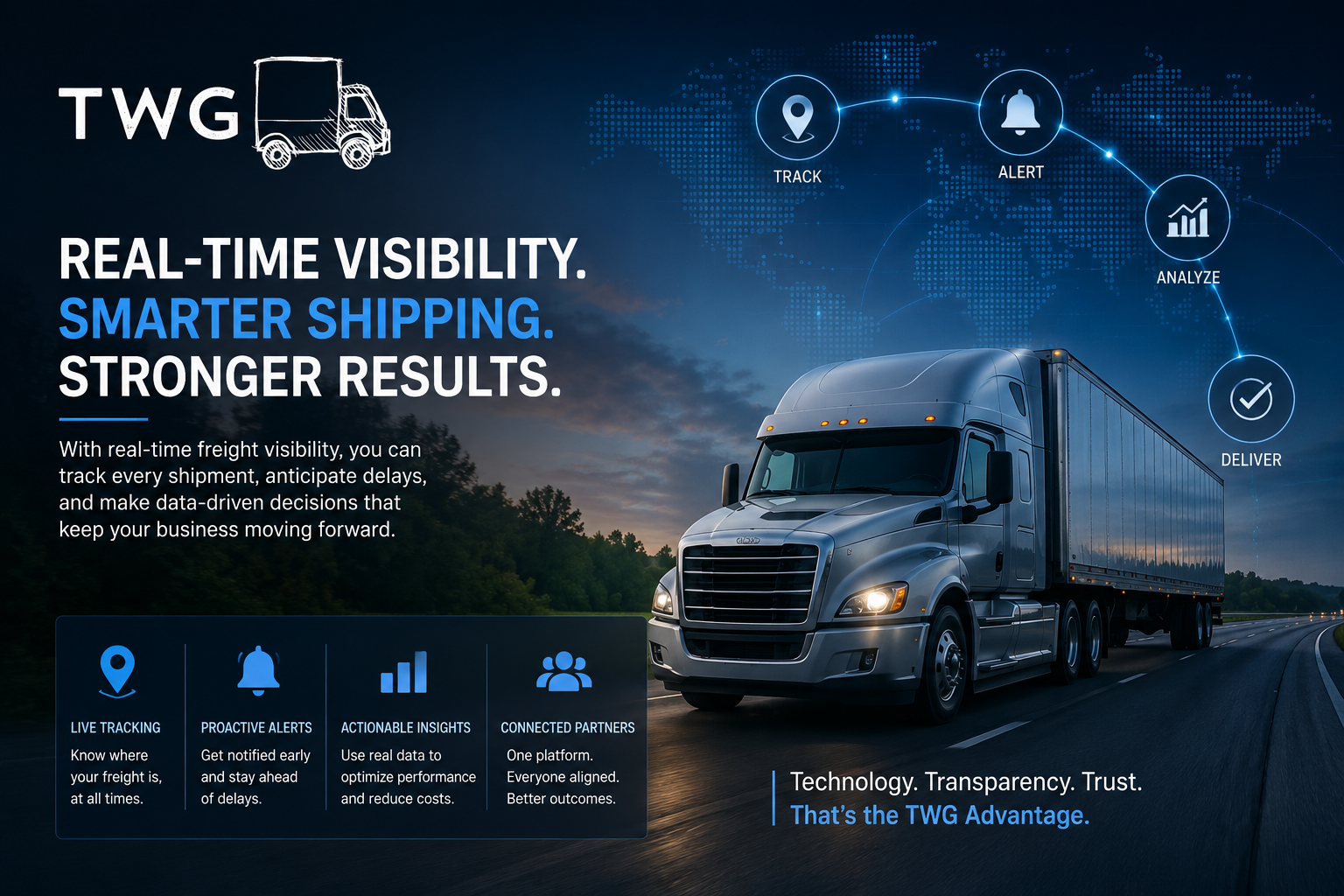
Challenge (Manual Process)Solution (Tech Stack)Competitive AdvantageTrack & Trace CallsReal-Time Visibility Tools (integrated with ELDs/Telematics) provide automated, proactive status updates to all parties.Proactive Service: Brokers focus on solving problems, not just relaying information.Slow Appointments/UpdatesAI-Powered Inbox Triage and Generative Automation read, classify, and instantly route emails and manage appointment bookings.Speed and Reliability: Carriers get clear instructions faster, reducing dwell time and increasing driver satisfaction.Fragmented CommunicationCentralized Dashboards/Portals that give shippers self-service access to quotes, bookings, and reporting.Transparency and Trust: Customers feel more in control and rely less on constant calls.
3. The Risk Mitigator: Security and Compliance
- Multi-Layered Carrier Vetting: The best systems move beyond simple FMCSA authority checks. They integrate real-time data for:
- Continuous performance monitoring and safety score analysis.
- AI-powered alerts for suspicious activity or common fraud patterns.
- Robust insurance and operating history verification.
- Data Security: As more sensitive pricing and compliance data moves online, cyber resilience is critical. Brokers must implement secure, cloud-based platforms to safeguard their operations and build trust with risk-averse enterprise shippers.
- Audit and Compliance: Automated document generation and retention within a TMS simplify compliance, minimizing the legal risk and administrative effort required for proper record-keeping.
The Bottom Line: Technology is the New Desk
For today’s freight broker, the tech stack is no longer an expense item; it is the physical "office" and the "sales floor." In the current environment, the gap between the tech-enabled brokerage and the manual brokerage is widening into a chasm. Those who have invested in an integrated stack—featuring a robust TMS, AI-powered automation, and real-time data analytics—are positioned to process more freight with higher margins, deliver superior service, and, most importantly, be the first call their carriers and shippers make when the next market shift occurs. Ignoring this digital imperative is not a cost-saving measure; it is a blueprint for obsolescence. The future of freight brokerage is here, and it runs on software.