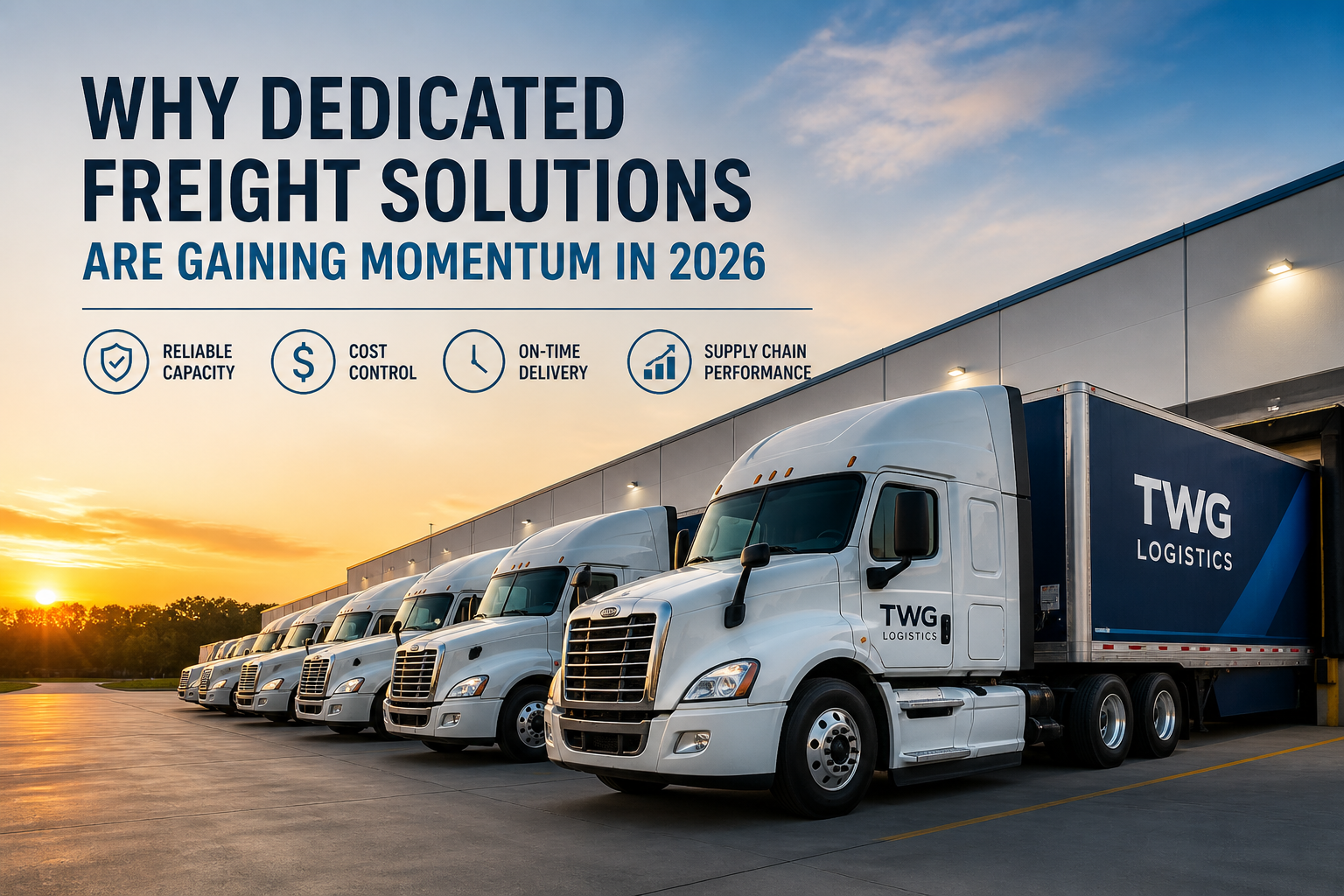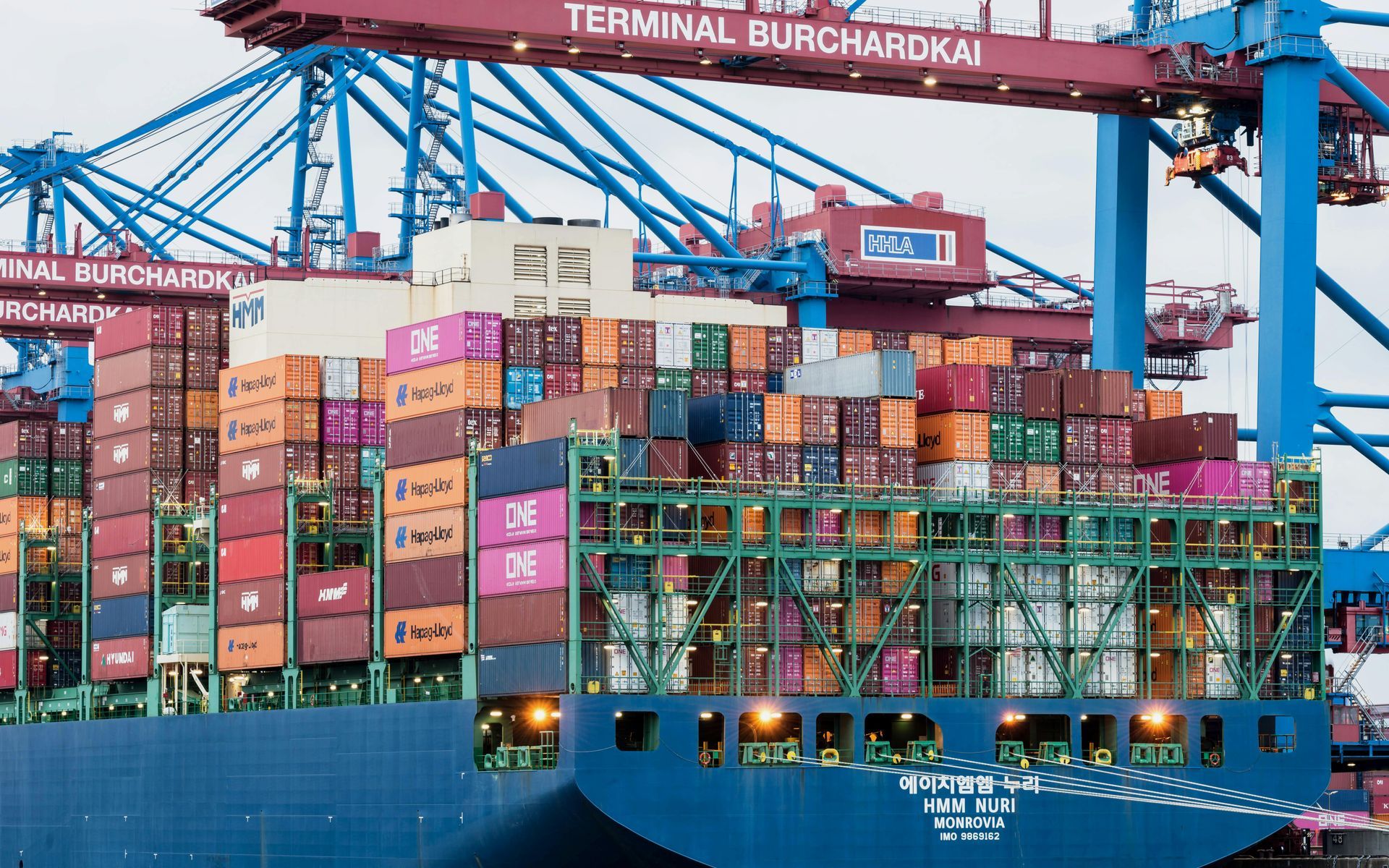
The logistics industry is in the midst of a data revolution. As global supply chains continue to grow in complexity, predictive analytics has emerged as a critical tool for companies striving to stay competitive, efficient, and resilient in 2025. For logistics providers like TWG Logistics, harnessing the power of predictive analytics isn’t just a technology upgrade—it’s a strategic transformation.
The Rise of Predictive Logistics
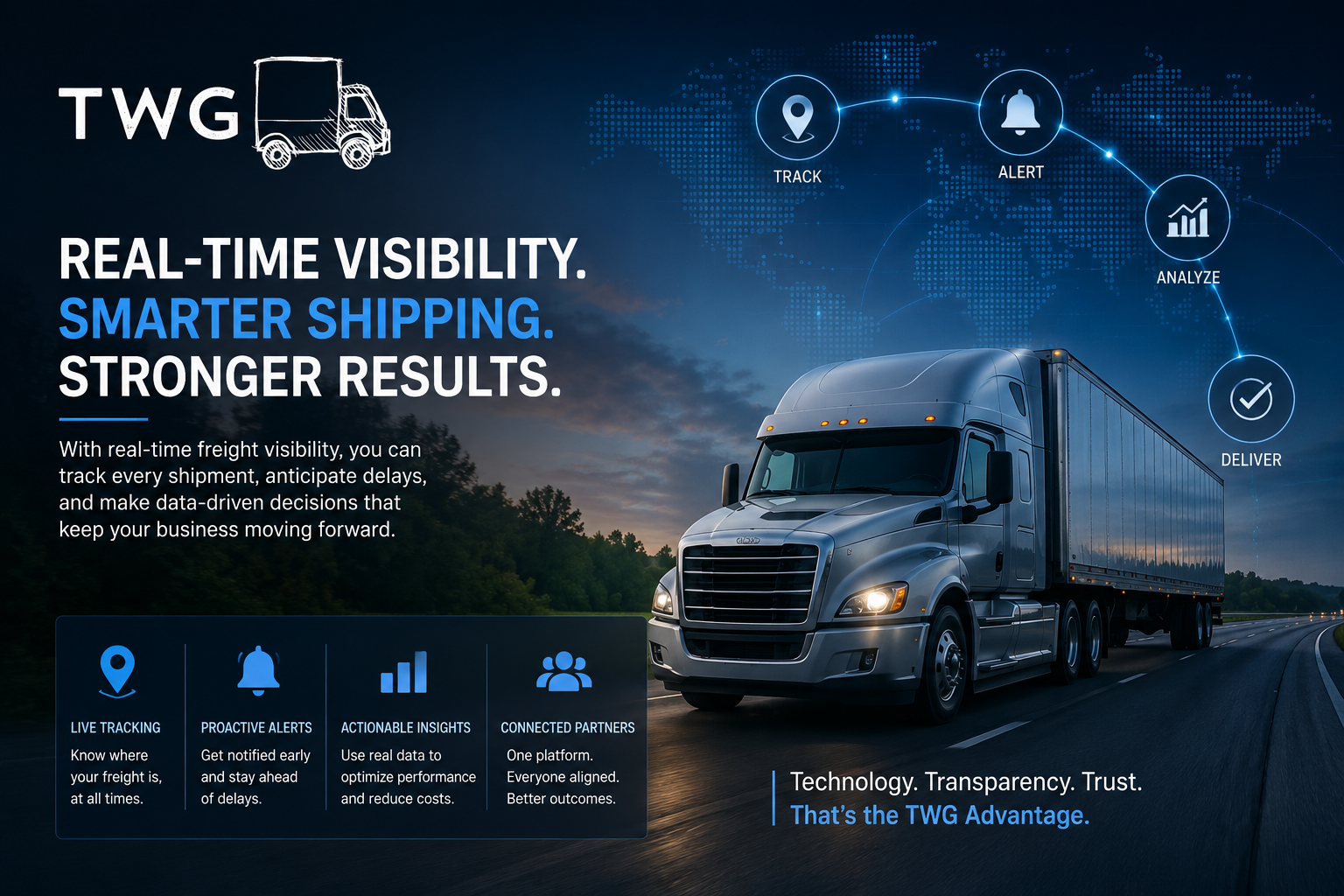
Predictive analytics uses artificial intelligence (AI), historical data, and real-time monitoring to forecast trends, anticipate disruptions, and optimize routes. In freight logistics, that means fewer surprises and more precise decision-making.
Where traditional logistics relies on reaction, predictive systems enable proactive planning—helping companies reduce idle time, cut fuel costs, and meet delivery deadlines with greater consistency.
According to industry analysts, companies that leverage predictive modeling can reduce operational costs by up to 20%while improving delivery accuracy by 30% or more. These gains stem from real-time visibility into demand fluctuations, weather disruptions, port congestion, and fleet performance.
Data-Driven Freight Optimization
In 2025, logistics providers are no longer just moving goods—they’re managing data ecosystems. Predictive tools help operators simulate thousands of route scenarios in seconds, accounting for fuel costs, driver availability, and real-time traffic updates.
For example, a predictive engine might reroute shipments in response to an incoming storm or sudden warehouse bottleneck, ensuring freight still arrives on time.
This technology also enables dynamic pricing and capacity management, allowing carriers to make smarter choices about load balancing and fleet deployment. As a result, logistics teams can serve more customers with the same resources—while maintaining higher service standards.
The Midwest Advantage
TWG Logistics continues to leverage predictive insights to optimize supply chain performance across the Midwest region—a crucial hub for manufacturing and distribution. By integrating advanced analytics into its routing systems and customer dashboards, TWG empowers clients to make data-informed decisions about inventory management, delivery schedules, and sustainability goals.
With predictive analytics, Midwest-based shippers can anticipate seasonal demand swings, identify route inefficiencies, and ensure every mile is profitable.
Overcoming Industry Challenges
Despite the clear advantages, adopting predictive technology comes with challenges—particularly in data quality and integration. Many companies struggle to unify data from legacy systems, IoT devices, and third-party carriers.
TWG Logistics addresses this by investing in cloud-based analytics platforms that seamlessly connect transportation management systems (TMS), customer portals, and IoT sensors into a single source of truth.
This connected ecosystem enables predictive algorithms to continuously learn from new data, improving accuracy over time and strengthening the entire logistics network.
Looking Ahead
As we look toward 2026 and beyond, predictive analytics will continue to evolve—from forecasting demand to autonomously managing entire logistics networks.
For organizations ready to embrace the shift, the payoff is clear: fewer disruptions, higher profitability, and more sustainable operations.
TWG Logistics remains committed to guiding our partners through this transformation—helping businesses harness predictive insights to stay one step ahead of the curve.
🚚 Ready to make your logistics strategy more predictable?
Partner with TWG Logistics to unlock smarter, data-driven freight management for your business.