What Shippers Need to Know Before Peak Season
As peak season ramps up, shippers face tighter TL capacity, evolving LTL pricing, and shifting ocean-air dynamics. Here’s what to watch—and how to stay ahead.
Peak season is here—and the signals across modes are mixed. Truckload (TL) capacity is edging tighter in key corridors, LTL carriers are recalibrating pricing and service levels, ocean carriers are managing capacity with blank sailings, and transpacific air cargo is firming as retailers pull forward inventory. For shippers, the message is clear: lock in reliable capacity early, keep bids nimble, and coordinate mode shifts with data, not gut feel.
Below is your concise Q4 checkpoint—what’s moving, why it matters, and practical next steps to protect margins heading into the holidays.
Truckload: Tighter Where It Matters
Truckload conditions are seasonally firmer, with selective tightness tied to regional demand (retail, cold chain) and ongoing small-fleet attrition. Even where average lead times look comfortable, same-day and next-day coverage is less forgiving—especially on outbound Midwest lanes feeding national distribution.
What to do:
- Stagger pickups and avoid Friday push-outs where possible.
- Bundle freight by lane family to increase award attractiveness in mini-bids.
- Use drop-trailer or extended dwell where your dock can support it—capacity trades up for predictability.
LTL: Pricing Precision and Service Differentiation
LTL networks are balancing cost inflation (labor, insurance) against service expectations. Carriers continue to refine accessorials and tighten rules on appointment freight, limited access, and liftgate. The result: fewer surprises for shippers who plan upstream—and more painful invoices for those who don’t.
What to do:
- Audit address types (residential, construction, schools/healthcare) and pre-clear accessorials.
- Standardize NMFC inputs and dims; cube discipline reduces re-weigh and re-class disputes.
- Create a “holiday exceptions” playbook for consignee hours, blackout dates, and appointment lead times.
Intermodal: Service Reliability Up, Demand Patchy
Rail service has improved through fall, but domestic container demand remains uneven. When TL spot tightens, balanced intermodal routings can protect costs—as long as your schedule can absorb an extra transit day and your BCO or DC is set for early/late gate flexibility.
What to do:
- Pre-position empties and align cutoffs with your DC labor plan.
- Run a head-to-head cost map: intermodal vs. TL with fuel and dwell assumptions for the next 6 weeks.
Ocean: Capacity Management and Holiday Timing
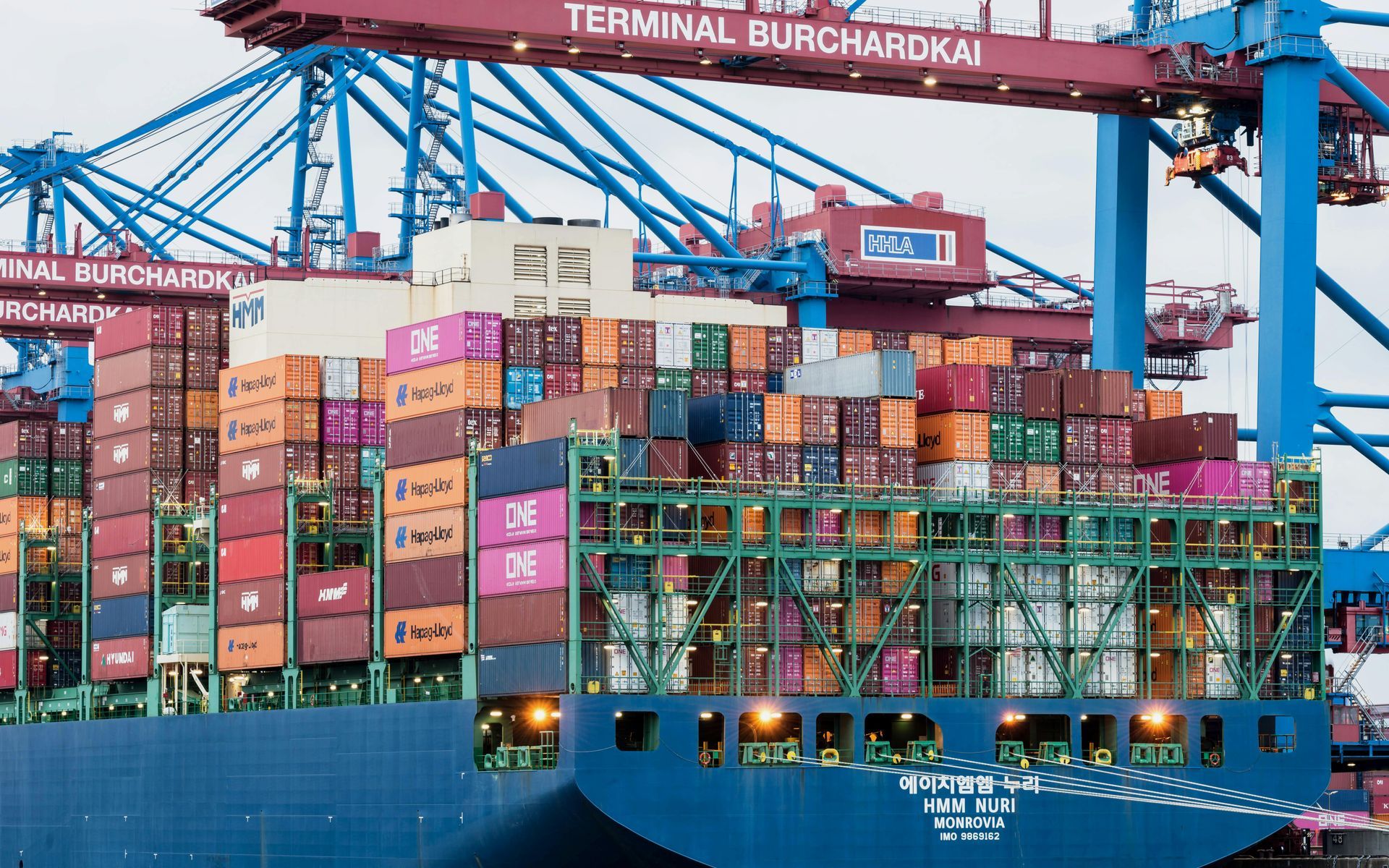
Container lines are managing capacity with blank sailings and tactical GRIs into holiday windows. Transit times are stable on core lanes, but schedule integrity still varies by port pair. If you’re staging promotional goods, the decision window is closing for risk-free arrivals.
What to do:
- Diversify port routings to hedge against single-port congestion.
- Book with buffer: pad lead times and confirm free-time policies to avoid detention/demurrage creep.
Air Freight: Targeted Firmness on Transpacific
Air rates have firmed on select Asia–US West Coast lanes as e-commerce, tariff timing, and late promotional pulls hit at once. Capacity is available, but peak surcharges and cut-off discipline are back.
What to do:
- Prioritize SKUs with the highest margin or stockout risk for uplift.
- Mix modes: ocean-to-air transload for critical SKUs; use deferred services where SLA allows.
Fuel & Surcharges: Watch the Levers
With diesel easing off early-fall highs, fuel surcharge formulas can work for you—if you’re tracking them weekly. Many shippers leave savings on the table by relying on monthly averages.
What to do:
- Set a weekly review cadence on FSC triggers.
- Bake in automatic adjustments to pass-throughs on customer quotes.
Three Moves for the Next 30 Days
- Run a mini-bid on your top 8 lanes. Keep terms short (6–8 weeks), award by service tier, and include backup awards to de-risk TL tightness.
- Lock an LTL holiday SOP. Address classification, accessorial pre-approvals, appointment protocols, and consignee calendars—especially for limited-access sites.
- Create an executive “mode-switch matrix.” Define thresholds for switching TL→Intermodal or Ocean→Air by margin, SLA risk, and inventory position.
🚚 Ready for Peak? Let’s Stabilize Your Network. Partner with TWG Logistics to secure capacity, reduce avoidable accessorials, and keep OTIF performance high through the holidays. 👉 Visit twg-logistics.com