The Hidden Costs of Cross-Border Freight Delays — And How Shippers Can Prevent Them
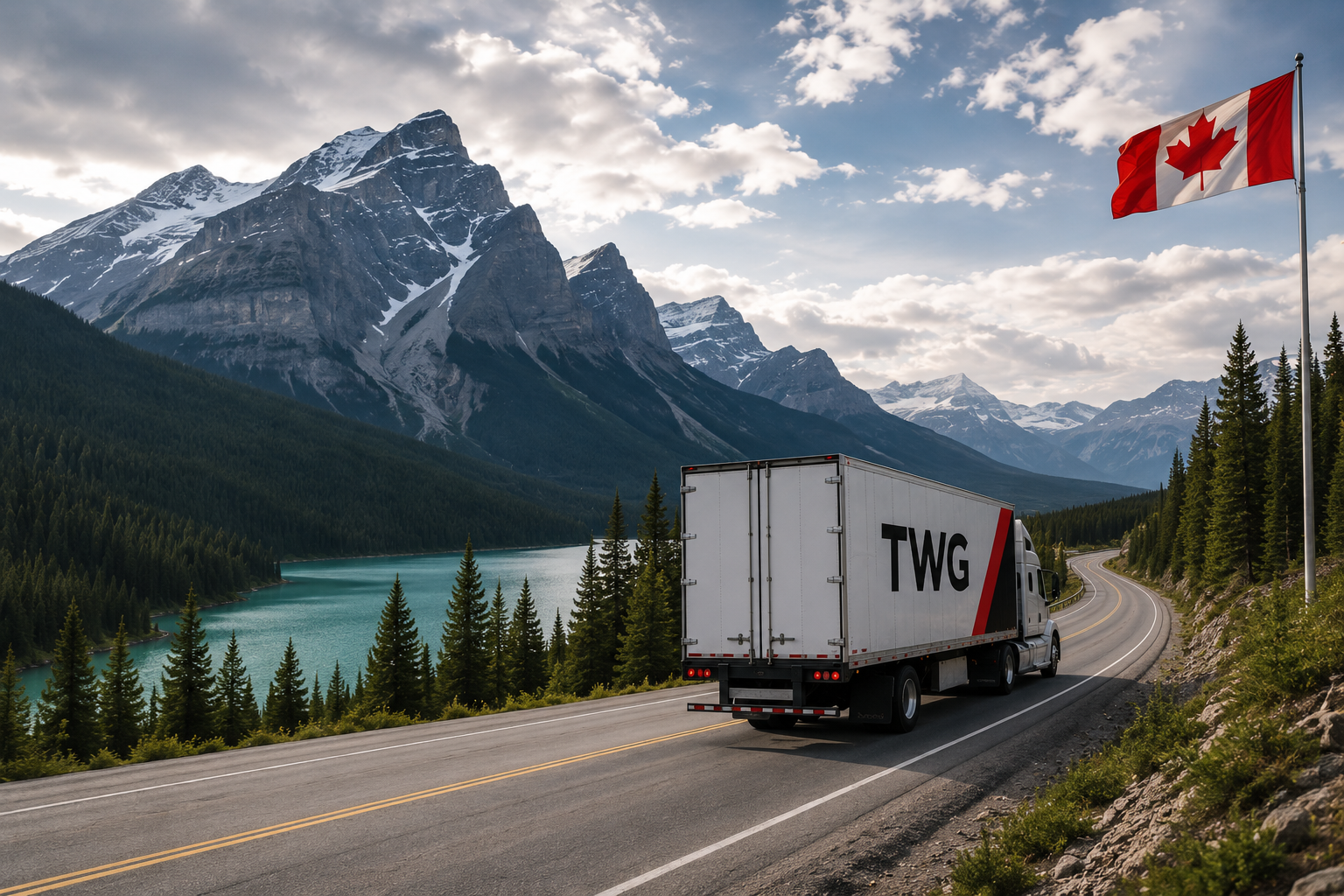
Cross-border freight delays create hidden costs for shippers. Learn how better coordination and planning reduce disruption across North America.
For many shippers, cross-border freight delays are viewed as an unavoidable part of doing business across North America. Customs inspections, documentation reviews, weather events, and fluctuating border traffic all create potential disruptions.
But the biggest problem with cross-border delays isn’t always the delay itself.
It’s the
hidden operational and financial costs that follow.
At TWG Logistics, we work with companies that move freight between the United States and Canada every day. One pattern continues to stand out: even small border disruptions can create ripple effects that impact inventory, production schedules, customer satisfaction, and transportation budgets.
Understanding those hidden costs is the first step toward building a more resilient cross-border strategy.
Cross-Border Delays Cost More Than Most Companies Realize
When freight is delayed at the border, the immediate concern is usually transit time. However, the downstream consequences are often far more expensive.
Common hidden costs include:
- Detention and layover charges
- Missed delivery appointments
- Warehouse rescheduling fees
- Expedited recovery freight
- Production slowdowns due to inventory shortages
- Reduced customer confidence
A shipment delayed only a few hours at the border can create operational issues lasting several days.
For manufacturers and distributors operating lean supply chains, these disruptions quickly compound.
Documentation Errors Remain One of the Biggest Problems
One of the most preventable causes of border delays is incomplete or inaccurate documentation.
Issues such as:
- Mismatched product descriptions
- Missing customs paperwork
- Incorrect commodity classifications
- Inconsistent shipping details
...can trigger additional inspections or clearance holds.
Even highly organized businesses encounter these problems when communication between suppliers, brokers, carriers, and receivers becomes fragmented.
The result is avoidable downtime that increases cost without adding any value to the shipment process.
Why Proactive Coordination Matters
Strong cross-border operations depend on coordination long before a truck reaches the border.
Successful shippers focus on:
- Pre-validating customs documentation
- Aligning shipment information across all parties
- Communicating early about scheduling requirements
- Building realistic transit expectations into operations planning
The goal is not just faster movement — it’s fewer surprises.
At TWG Logistics, we’ve found that proactive coordination often prevents more disruptions than reactive problem-solving ever can.
Border Delays Create Capacity Problems Too
Another overlooked impact of delays is reduced equipment efficiency.
When trucks sit waiting at border crossings:
- Drivers lose available hours
- Equipment utilization drops
- Future loads may need rescheduling
- Carrier availability tightens unexpectedly
Over time, these disruptions affect broader network performance and can increase transportation costs across multiple lanes.
This is one reason why strong carrier relationships and reliable planning matter so much in cross-border freight operations.
How Visibility Supports Faster Recovery
No logistics operation can eliminate every delay. Weather, inspections, and traffic conditions will always create occasional disruptions.
What separates high-performing supply chains is how quickly they respond.
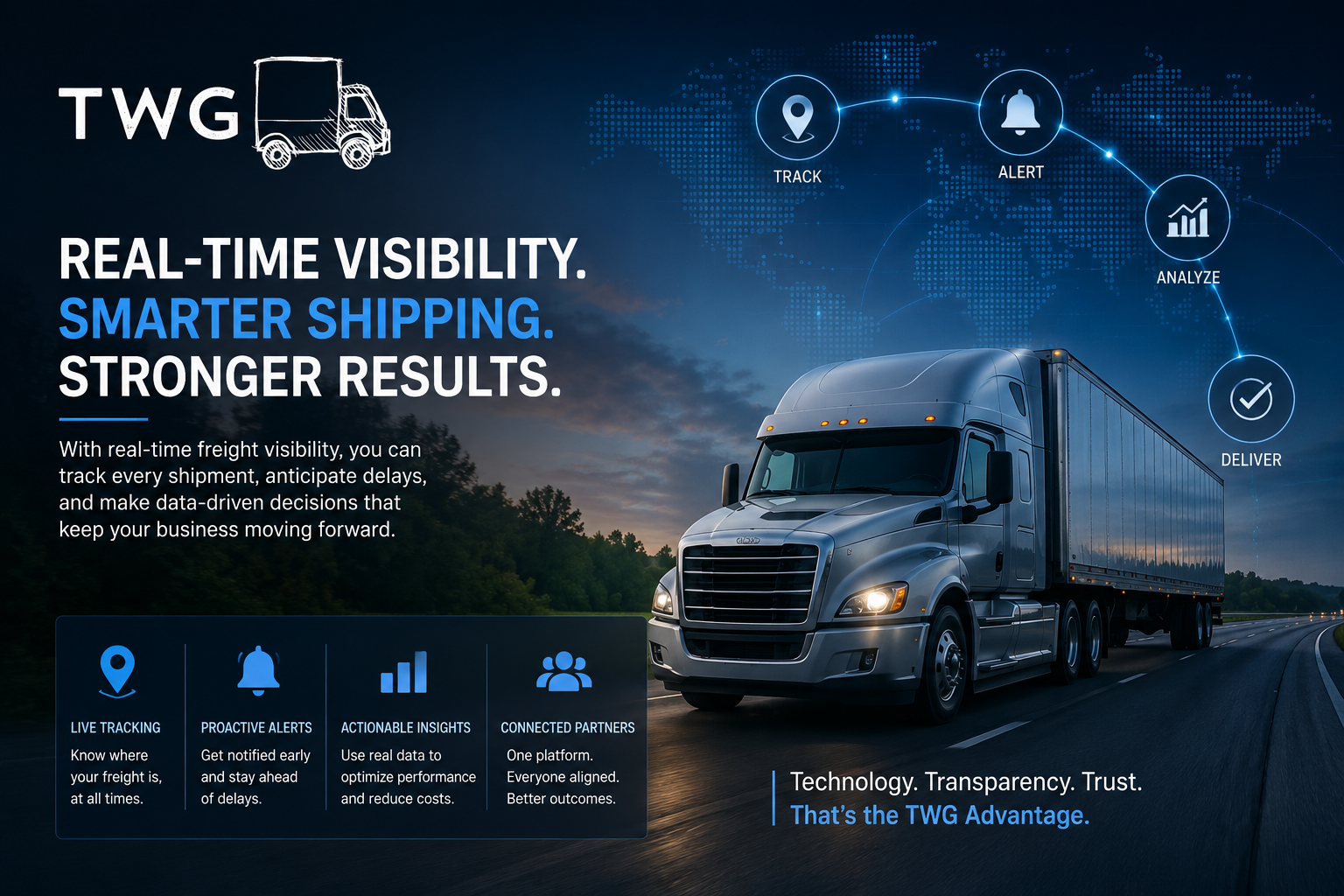
Real-time shipment visibility allows logistics teams to:
- Identify problems earlier
- Update customers proactively
- Reroute freight if necessary
- Adjust receiving schedules
- Reduce secondary costs tied to missed appointments
Visibility alone is not the solution — but it enables faster, smarter decisions when disruptions occur.
Building a More Resilient Cross-Border Strategy
As cross-border freight volumes continue growing across North America, companies need logistics strategies built around resilience rather than reaction.
That includes:
- Stronger communication workflows
- Experienced carrier and broker partnerships
- Standardized documentation processes
- Realistic planning assumptions
- Operational visibility across the shipment lifecycle
Cross-border shipping doesn’t become more reliable through speed alone. It becomes more reliable through preparation and coordination.
How TWG Logistics Helps Shippers Reduce Cross-Border Risk
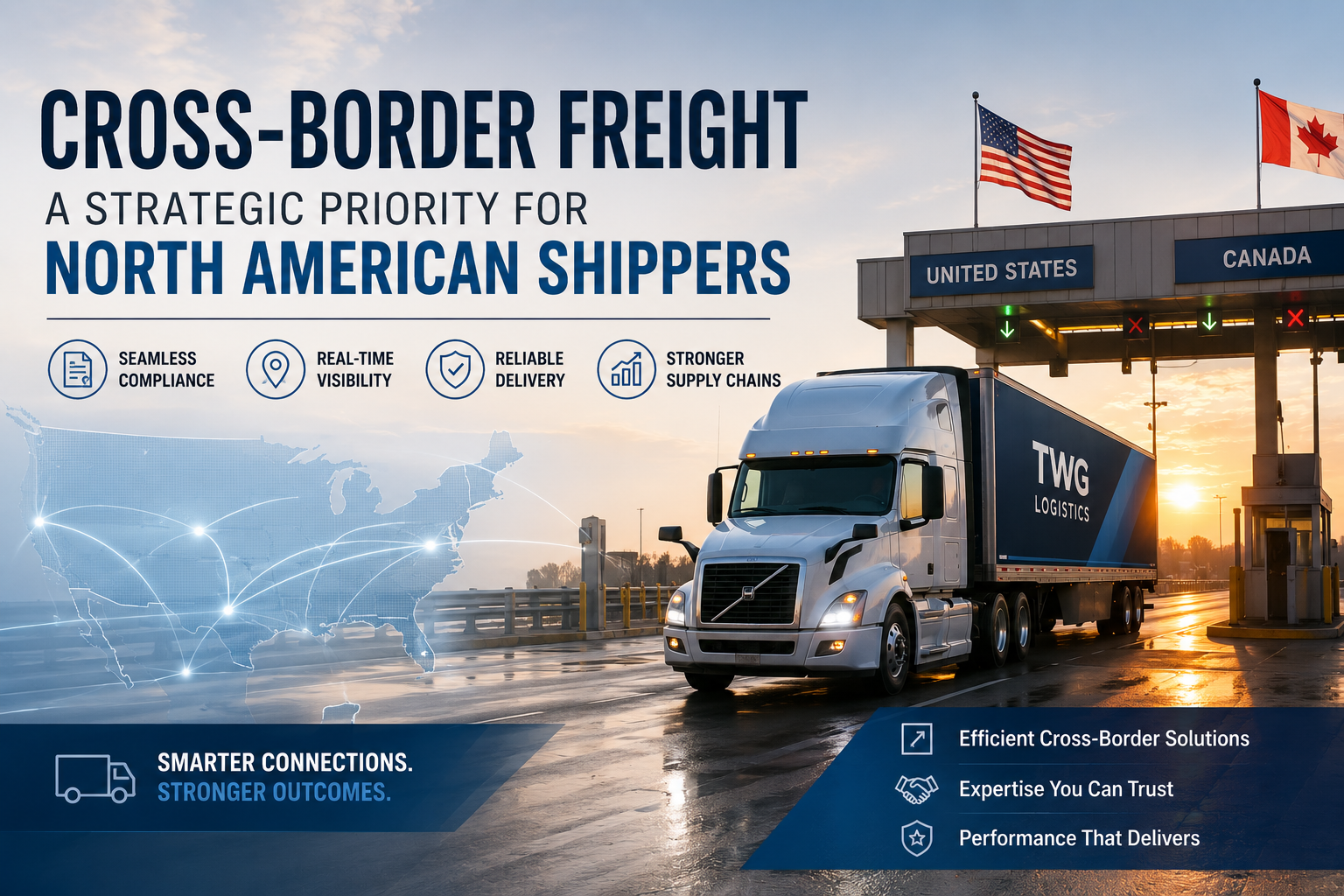
TWG Logistics works closely with shippers moving freight between the U.S. and Canada to improve coordination, reduce disruption, and strengthen shipment reliability.
Our approach focuses on:
- Proactive communication
- Dependable carrier partnerships
- Shipment visibility
- Execution support across North American freight networks
By helping customers identify operational risks before they become costly problems, we support stronger and more predictable cross-border supply chains.
Looking to reduce delays and hidden costs in your cross-border freight operation?
Partner with TWG Logistics for smarter coordination, stronger visibility, and reliable transportation solutions across North America.
👉 Visit
twg-logistics.com to learn more.
By The Wicker Group LLC Research Team