Cross-border freight between the U.S. and Canada is evolving fast. Learn how shippers can improve efficiency, visibility, and reliability in 2026.
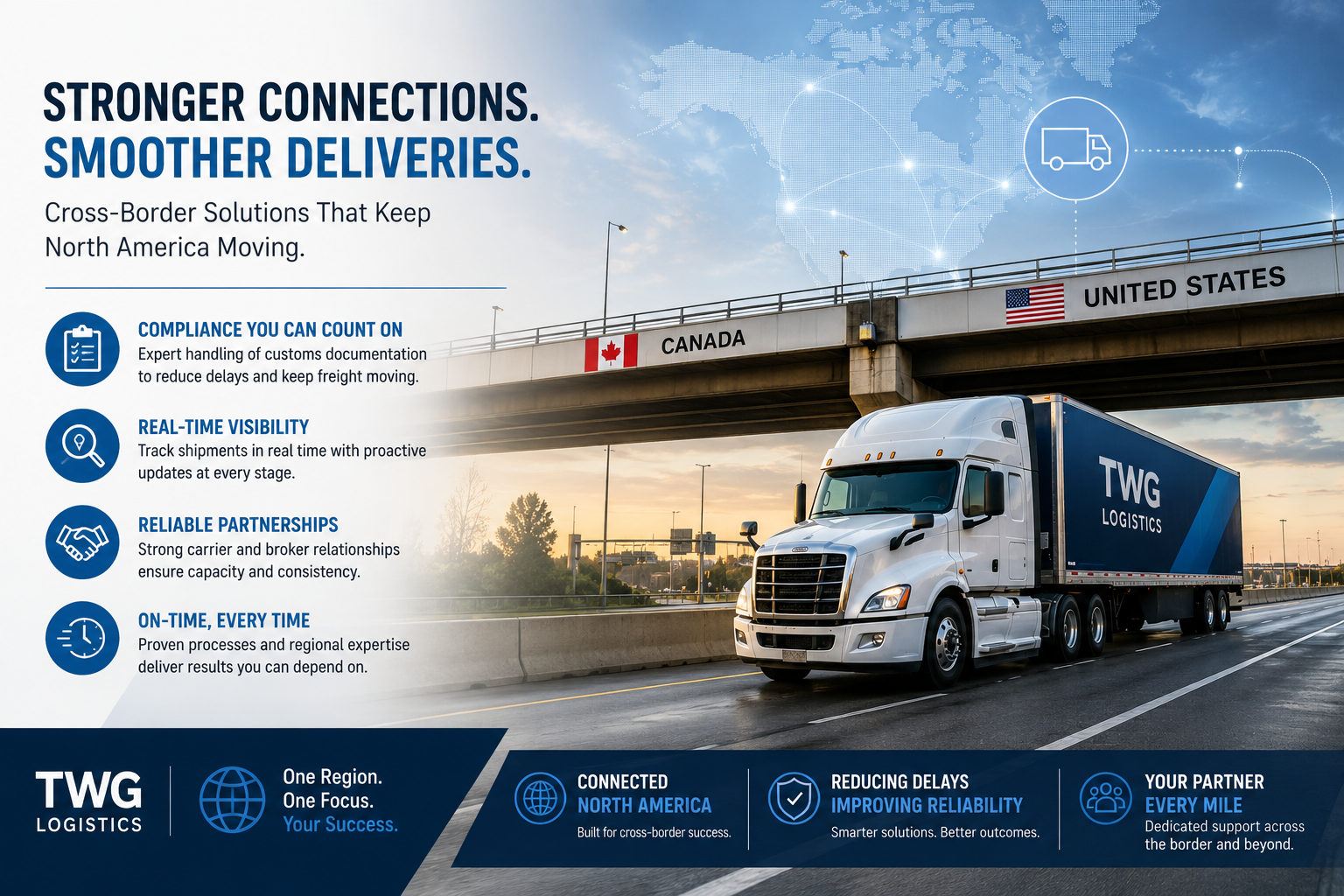
For years, cross-border shipping between the United States and Canada was treated as a specialized part of logistics operations—important, but often secondary to domestic freight planning.
That’s changing quickly.
As supply chains become more interconnected and businesses seek greater flexibility in sourcing, production, and distribution, cross-border freight is becoming a central part of North American logistics strategy. Shippers are no longer asking whether they *can* move freight across borders efficiently—they’re asking how to do it more reliably, transparently, and cost-effectively.
In 2026, companies that strengthen their cross-border logistics strategy will be better positioned to reduce delays, control costs, and improve customer service across North America.
Why Cross-Border Freight Is Growing
Several market trends are accelerating cross-border freight demand between the U.S. and Canada:
- Nearshoring and regional sourcing initiatives
- Increased North American manufacturing partnerships
- E-commerce growth requiring faster regional fulfillment
- Diversification away from longer overseas supply chains
Businesses want shorter transit times, greater resilience, and fewer global disruptions. North American trade lanes offer a practical solution—but only when managed effectively.
The Challenges of Cross-Border Logistics
Cross-border freight introduces additional layers of complexity compared to domestic transportation.
Common challenges include:
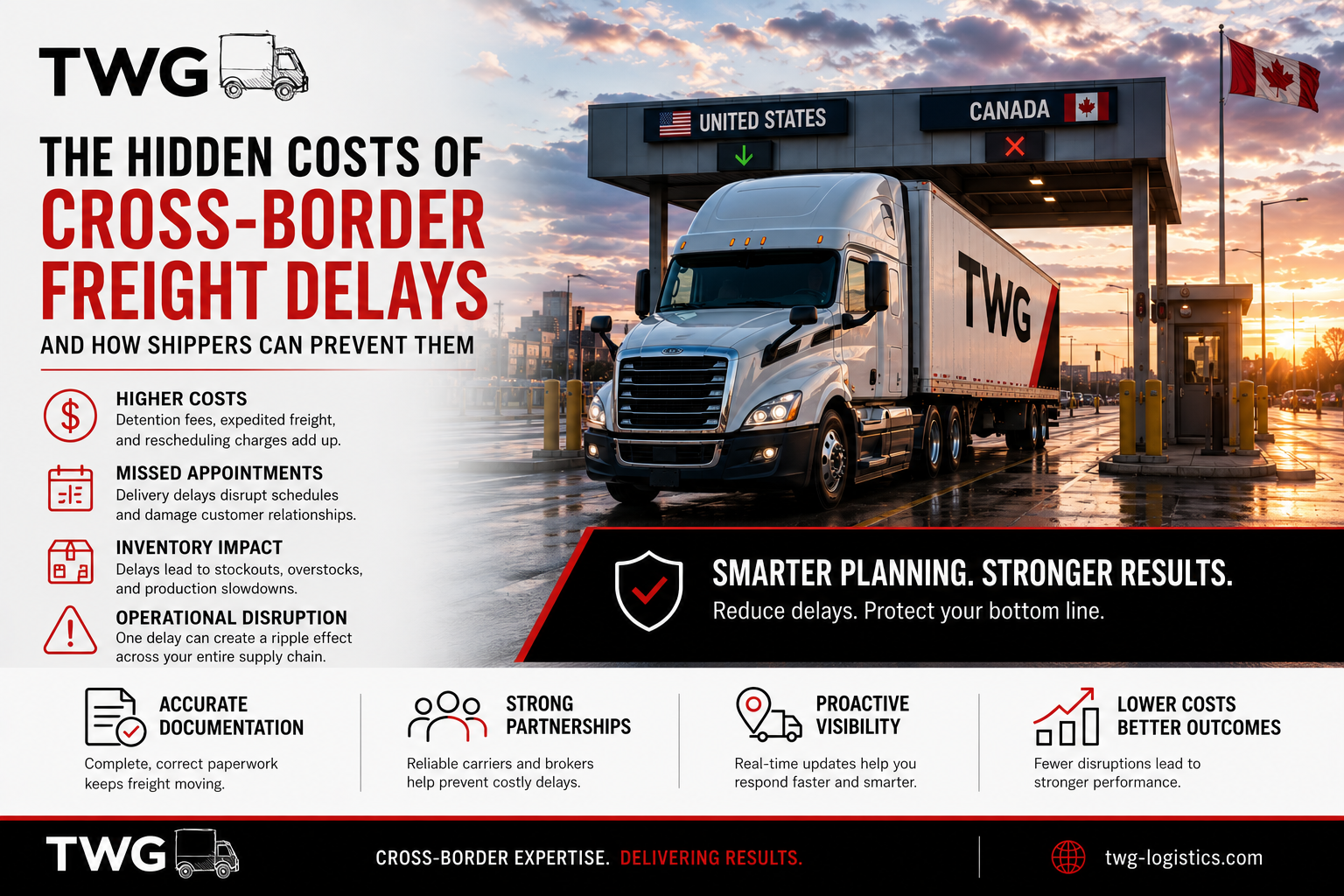
- Customs documentation errors
- Border delays and inspection issues
- Limited shipment visibility during transfers
- Communication gaps between multiple providers
- Inconsistent transit expectations across regions
Even small mistakes can create expensive disruptions, especially for time-sensitive freight or production-critical shipments.
Visibility Is More Important Than Ever
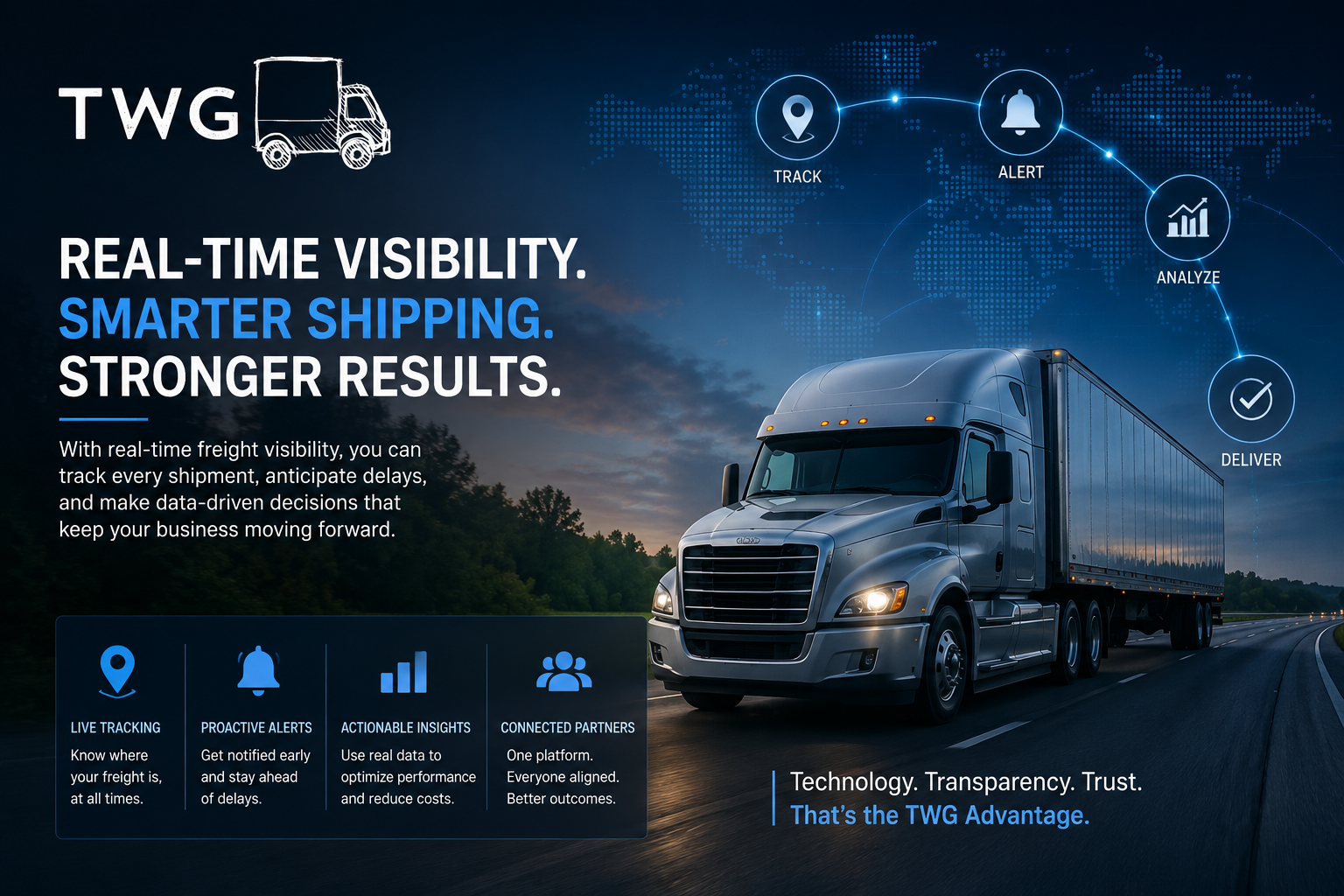
One of the biggest frustrations for shippers moving freight across borders is the loss of visibility once a shipment changes hands between carriers, brokers, or customs processes.
Modern shippers expec
- Real-time tracking updates
- Accurate ETAs
- Early alerts when delays occur
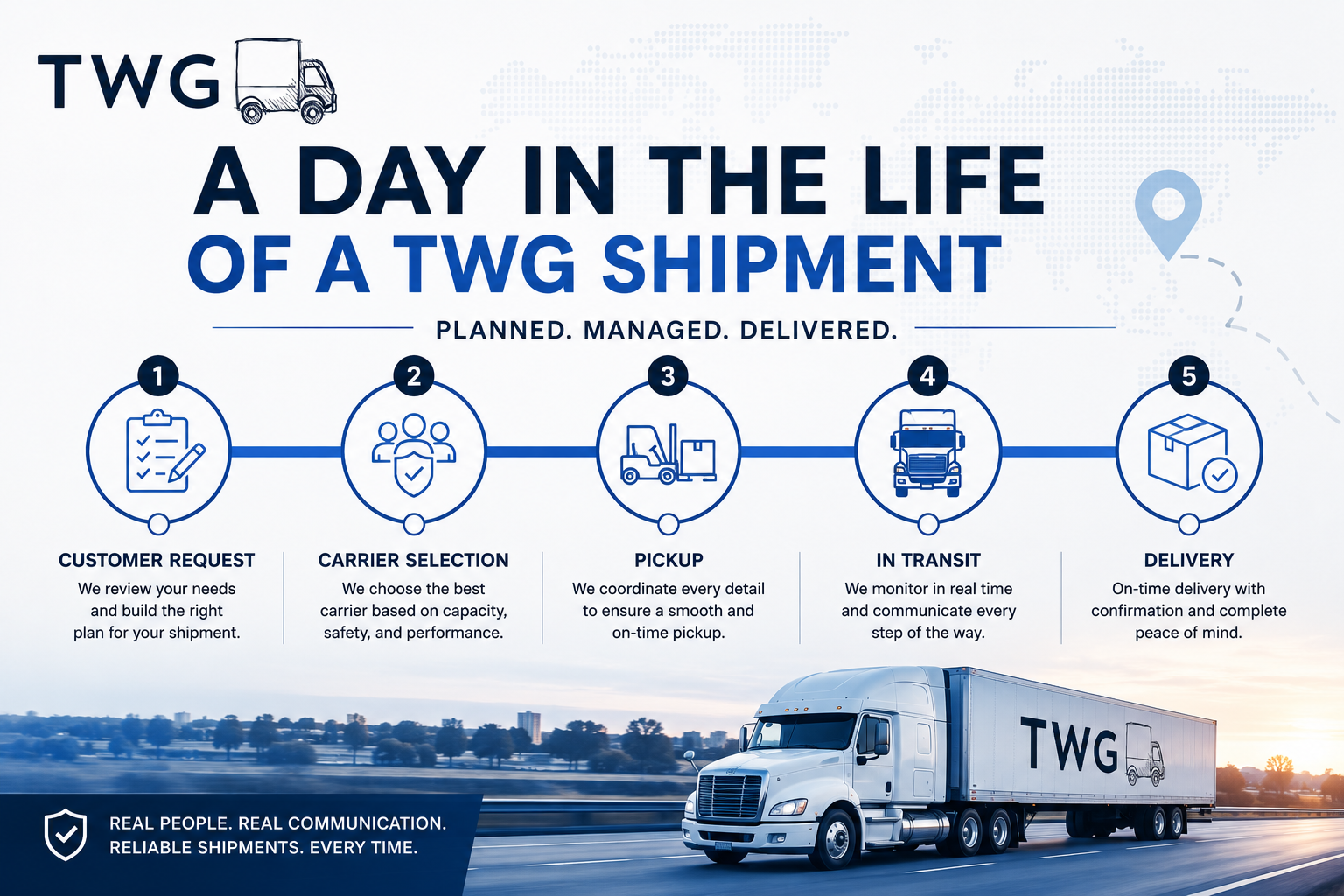
- Clear communication throughout the shipment lifecycle
Without visibility, logistics teams are forced into reactive decision-making, often after service failures have already impacted customers or operations.
Building a Stronger Cross-Border Strategy
The most successful cross-border supply chains are built around consistency and coordination.
1. Work with Experienced Partners
Cross-border shipping requires specialized expertise. Providers familiar with customs procedures, documentation requirements, and regional carrier networks can prevent costly mistakes before they happen.
2. Standardize Documentation Processes
Many delays originate from incomplete or inconsistent paperwork. Creating standardized documentation workflows significantly reduces risk at the border.
3. Prioritize Communication
Cross-border freight often involves multiple stakeholders. Clear communication between shippers, carriers, customs brokers, and receivers is essential for smooth execution.
4. Build Flexible Routing Options
Weather, inspections, and congestion can impact border crossings unexpectedly. Having backup routing options improves resilience and reduces disruption.
How TWG Logistics Supports Cross-Border Freight
At TWG Logistics, we help businesses simplify cross-border transportation across North America. Our team works closely with customers to coordinate freight movement between the U.S. and Canada with a focus on:
- visibility
- proactive communication
- reliable carrier partnerships
- efficient execution
By combining operational expertise with technology-driven tracking and reporting, we help shippers maintain control over their freight even when supply chains become more complex.
Looking Ahead
Cross-border freight will continue to grow as North American supply chains evolve. Businesses that invest in stronger coordination, better visibility, and strategic logistics partnerships today will gain a major competitive advantage tomorrow.
The future of logistics isn’t limited by borders, it’s defined by how efficiently businesses move through them.
Looking to improve your cross-border freight strategy?
**Partner with TWG Logistics** for reliable, transparent transportation solutions across North America.
👉 Visit
twg-logistics.com to learn more.
**By The Wicker Group LLC Research Team**